
TRT Timeline: First 90 Days of Testosterone Therapy
TRT, Testosterone Therapy Timeline, Men’s Health Spokane
The First 90 Days on TRT: A Realistic Week-by-Week Timeline
Medically reviewed and written by Dr. Cody Belkoff, DO, medical director of Prime Body Solutions in Liberty Lake, WA. If you have ever asked how long testosterone therapy actually takes to work, you have probably been handed the most unhelpful phrase in medicine: “results may vary.” You deserve a clearer testosterone therapy timeline than that, especially if you live in the Spokane area and are trying to decide which TRT clinic to trust with your hormones and your sanity.
Testosterone replacement therapy (TRT) is physician-supervised treatment that restores testosterone to a healthy physiologic range in men with clinically low levels. You are not buying a “T booster”; you are correcting a hormone deficiency, which deserves more rigor than a late-night infomercial and a free shaker bottle.
For most appropriately selected men, TRT’s effects follow a predictable pattern: subtle mood and energy shifts often begin between weeks 3 and 6, libido typically improves within 3–6 weeks, and early changes in body composition usually start to appear around month 3. In both clinical trials and real-world practice, full stabilization of benefits from testosterone therapy often takes 6–12 months, not 6 days.
How Long Does TRT Take to Work?
When patients in Spokane ask how long TRT takes to work, they are rarely asking about serum levels; they are asking when they will stop feeling like they are running on 60 percent battery by noon. In pharmacokinetic terms, injectable testosterone levels rise within hours to days, but downstream effects on brain, muscle, fat, and metabolism unfold over weeks to months. According to a 2011 systematic review of testosterone trials by Saad et al., libido improvements usually appear within 3 weeks and plateau by about 6 weeks, while changes in body composition and metabolic parameters continue for 6–12 months and beyond.
💡 Pro Tip: If a clinic promises dramatic “before and after” photos by day 30, you are not looking at physiology; you are looking at marketing.
What Should a Legitimate Clinic Do Before Day 1 of TRT?
Before anyone in a white coat (or on a Zoom screen) prescribes testosterone, there is homework. At Prime Body Solutions in Liberty Lake, and in guideline-concordant practices generally, candidacy for TRT requires both symptoms and documented low labs. In practice, that means morning total testosterone measurements, usually between 7 a.m. and 10 a.m., with values consistently under roughly 300 ng/dL, plus assessment of free testosterone when sex hormone–binding globulin may be abnormal. This aligns with major endocrine and urology guidelines updated through 2026.
A proper pre-TRT panel also includes a complete blood count to evaluate hematocrit, estradiol, prostate-specific antigen (PSA) when age-appropriate, and metabolic labs such as a comprehensive metabolic panel and fasting lipids. Many men in Spokane are surprised that we also talk about sleep apnea, cardiovascular risk, and fertility goals before the first injection. If a “TRT” provider skips straight from a single low-ish lab to a monthly subscription and a box of syringes, that is not a clinic; that is a recurring charge with a logo.
⚠️ Warning: Starting testosterone therapy without baseline labs and a focused history makes it difficult to monitor safety issues such as elevated hematocrit or PSA, which should be non‑negotiable in any evidence-based TRT program.
What Happens in the First 30 Days of TRT?
Weeks 1–2: Mostly Quiet, and That Is Normal
During the first 1–2 weeks, most men notice little to no dramatic change, despite the fact that serum testosterone levels rise into the therapeutic range within days of the first injection. The brain and peripheral tissues, however, need time to respond to the new hormonal environment, so symptom improvements often lag behind the lab values by several weeks. Some patients report subtle shifts in motivation, a slightly more stable mood, or feeling less “foggy,” and yes, the placebo effect is real and occasionally helpful while the biology catches up.
From a logistics standpoint, the first two weeks are about learning the mechanics: injection technique, rotating sites, and understanding what normal post‑injection discomfort feels like. Mild soreness at the injection site for 24–48 hours, a small bruise, or a transient feeling of fullness in the muscle are common and usually self-limited. If you are getting large, painful lumps, significant redness, or systemic symptoms such as fevers, that is not “just how TRT feels”; that is a reason to call your physician, preferably one who knows your name and not just your subscription ID.
Weeks 3–6: The First Noticeable Changes
In clinical studies, improvements in libido typically appear within 3 weeks of starting testosterone therapy and plateau around week 6, according to the 2011 systematic review by Saad et al. For many men in our TRT clinic in Spokane Valley and Liberty Lake, this window is when they notice more spontaneous interest in sex, more frequent morning erections, and a general sense that the lights are back on. Partners often notice these changes before the patient does, which can be both validating and mildly awkward at the same time.
Mood, motivation, and daytime energy commonly begin to improve between weeks 3 and 6 as well. Several trials and guideline summaries note reductions in depressive symptoms and fatigue scores within the first month, with continued gains over 3 months and beyond. Early improvements in insulin sensitivity can also begin in this period, which may show up as slightly more stable blood sugar for men with prediabetes or metabolic syndrome. None of this replaces nutrition or resistance training, but it does make both feel less like punishment and more like a reasonable idea.
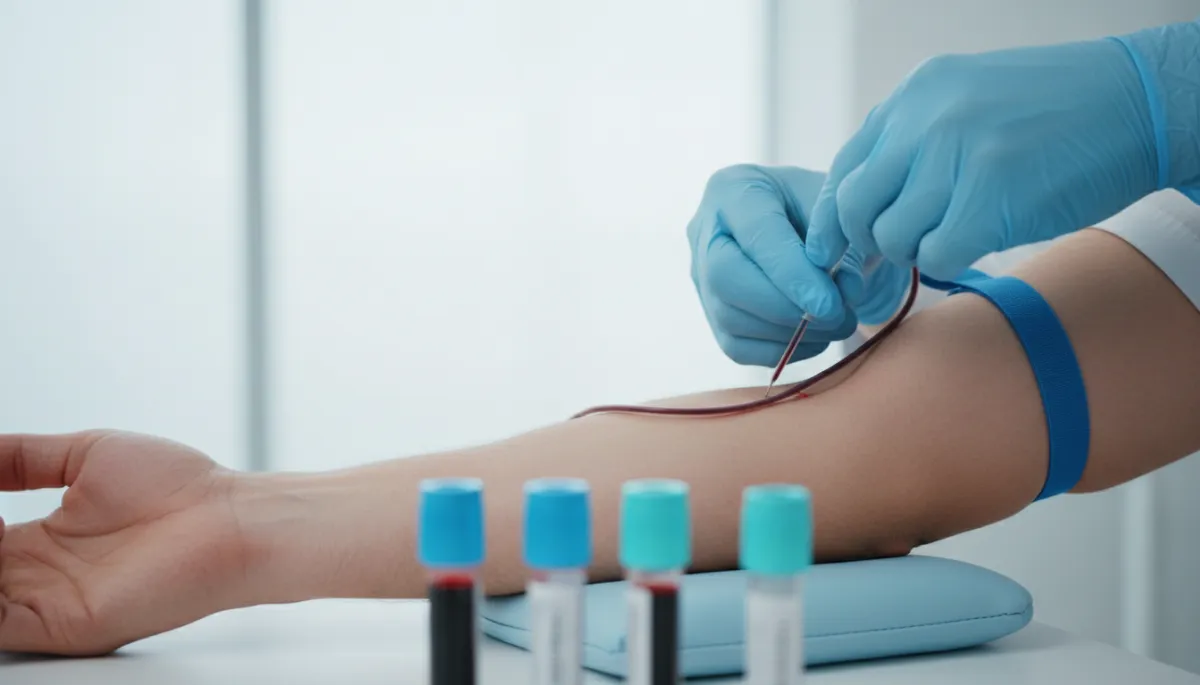
The six-week lab check is where responsible TRT care adjusts dose, not guesses.
Why Are the 6–8 Week Labs So Important on TRT?
Around weeks 6–8, a responsible TRT program schedules follow-up labs to measure trough testosterone levels, hematocrit, estradiol, and often PSA when indicated. By this point, levels have reached a relatively steady state for most injection protocols, which makes dose adjustments more precise and less like trying to hit a moving target in the dark. In our practice, we typically draw labs just before the next scheduled injection to capture the low point of the dosing cycle and avoid being misled by transient peaks.
The 6–8 week visit is also where some of the cheaper online clinics effectively vanish, because real follow-up involves time, lab interpretation, and nuanced dose changes. If hematocrit is drifting upward toward 52–54 percent, we may adjust dose or frequency, or discuss therapeutic phlebotomy. If estradiol is high and symptoms such as breast tenderness or mood volatility appear, we might modify the testosterone dose or, in selected cases, consider an aromatase inhibitor. This is not something an algorithm should manage without a human physician attached to it, particularly when your red blood cells and prostate are involved.
Weekly timeline: What Typically Changes on TRT weeks 1–2 Serum testosterone rises; minimal symptom change; learning injections; mild local soreness possible. Weeks 3–6 Libido and morning erections improve; mood, motivation, and energy begin to increase; early metabolic shifts start. Weeks 8-12 First follow-up labs; dose adjustments based on trough testosterone, hematocrit, estradiol, and symptoms. Weeks 12-16 Early lean mass gain and fat loss appear; strength improves with training; sexual function continues to stabilize.
When Will I See Muscle and Fat Changes on TRT?
Between weeks 8 and 16, most men who are lifting weights and not at war with their own nutrition begin to see measurable changes in body composition. Clinical trials show increases in lean body mass and reductions in fat mass beginning around month 3 of testosterone therapy, with continued improvements for at least 12 months. In other words, if your scale has not dramatically changed by week 4, you are experiencing normal human physiology, not failure.
Strength gains during this period follow training stimulus more than total testosterone level, which is why I tell patients that TRT is a permission slip to get more out of your workouts, not a substitute for them. Erectile function can continue to improve for up to 6 months, particularly in men whose dysfunction was driven partly by low testosterone rather than purely vascular causes. What you should not expect by day 90 is a complete social-media transformation; most of those photos involve more variables than testosterone and chicken breast.

By 90 days, most well-managed patients report more energy for real-world activities.
What Can Go Sideways in the First 90 Days on TRT?
Testosterone therapy is generally safe for appropriately selected men when monitored correctly, but the first 90 days are where we occasionally catch issues early. Hematocrit can rise as testosterone stimulates red blood cell production; if it approaches or exceeds 54 percent, guidelines typically recommend adjusting or holding therapy and considering phlebotomy. Estradiol can climb as well, leading to symptoms such as breast tenderness, fluid retention, or mood swings in a subset of patients, which we manage with dose changes rather than reflexively suppressing estrogen in every man with a pulse.
Acne, oily skin, and mild hair changes can appear within the first few months, particularly in men with a prior history of breakouts. Sleep apnea can worsen in susceptible patients, which is why we ask about snoring, witnessed apneas, and non-restorative sleep at baseline and during follow-up. Testicular volume often decreases over time because exogenous testosterone suppresses the hypothalamic–pituitary–gonadal axis; for men who want to preserve fertility, we discuss alternatives such as hCG or selective estrogen receptor modulators before starting TRT. This is the “why physician-supervised” part of TRT, not because doctors enjoy ordering labs, but because we prefer preventing problems to apologizing for them later.
📌 Key Takeaway: If your TRT program during the first 90 days never mentions hematocrit, estradiol, PSA, sleep apnea, or fertility, you are not in a medical practice; you are in a recurring revenue stream.
What Does a Well-Managed Patient Report at the 90-Day Mark?
By 90 days, most men whose testosterone therapy has been appropriately dosed and monitored describe several consistent changes. They typically report better baseline energy throughout the day, less afternoon crash, and a more stable mood, often quantified by improved scores on validated symptom scales in clinical studies. Libido and sexual function are usually markedly better than baseline, though not always perfect, particularly when vascular or psychological factors are also in play. Early body composition changes, such as a few pounds of fat loss and modest muscle gain, are common when men are also engaging in resistance training and sane nutrition.
At this visit, we review labs again, reassess symptoms, and decide whether the current regimen is our long-term plan or a starting point. For many patients in Spokane, Spokane Valley, Liberty Lake, Post Falls, and Coeur d’Alene, the 90‑day mark is when TRT stops feeling like an experiment and starts feeling like a stable part of their health strategy. Full effects on bone density, cardiovascular risk markers, and maximal body composition changes continue to evolve over 6–12 months and beyond, according to long-term data summarized by the Endocrine Society and other guideline bodies.
Starting TRT in Spokane with Prime Body Solutions
Prime Body Solutions in Liberty Lake is a physician-led TRT clinic serving Spokane, Spokane Valley, Liberty Lake, Post Falls, and Coeur d’Alene. Our initial consultation includes comprehensive labs, a detailed review of symptoms and medical history, and a physician visit to determine whether TRT is appropriate, or whether another diagnosis explains your fatigue, low libido, or decreased performance. We follow a structured testosterone therapy timeline with baseline testing, a 12 week lab check, and ongoing monitoring every few months so that your protocol is built on data, not guesswork.
If you want to understand how TRT fits into your overall health, our testosterone therapy service page outlines the diagnostic process, treatment options, and monitoring schedule we use. For a broader context on benefits and risks, you can also read our educational posts on testosterone therapy benefits and testosterone therapy for men in Spokane, which complement this week-by-week TRT results timeline. When you are ready to talk with a physician rather than a landing page, you can request an appointment through our online consultation and booking form.
FAQ: The First 90 Days on TRT
How long does TRT take to work?
For most appropriately selected men, TRT’s earliest noticeable effects begin between weeks 3 and 6, when libido, morning erections, and daytime energy often start to improve. Measurable changes in body composition usually appear around month 3 and continue for 6–12 months or longer. Clinical reviews, including Saad et al. 2011, show that full stabilization of testosterone therapy benefits typically takes several months, not days, and depends heavily on sleep, nutrition, and resistance training.
What does TRT feel like in the first week?
In the first week of TRT, most men feel surprisingly normal, aside from learning the logistics of injections and possibly mild soreness at the injection site for a day or two. Serum testosterone levels rise quickly, but mood, libido, and energy usually do not change dramatically in the first 7 days. Some men describe a subtle sense of mental clarity or motivation, which may reflect early hormonal effects, placebo response, or both, and all three are acceptable while the physiology catches up.
When do TRT results peak?
Different TRT outcomes peak at different times. In clinical data, libido often improves within 3 weeks and plateaus around week 6, while mood and energy gains generally continue over the first 3 months. Increases in lean mass, reductions in fat mass, and improvements in metabolic markers tend to build over 6–12 months or longer, especially when combined with resistance training and dietary changes. Rather than a single “peak,” testosterone therapy produces a series of plateaus as each system adapts to the restored hormone levels.
What labs are checked during the first 90 days of TRT?
During the first 90 days, a well-run TRT program typically checks total and free testosterone, hematocrit via complete blood count, estradiol, and PSA when age-appropriate, along with metabolic labs such as a comprehensive metabolic panel and lipids. Baseline labs are drawn before starting therapy, and repeat testing is usually performed around 6–8 weeks to measure trough testosterone levels and screen for early side effects. These data guide dose adjustments and help prevent complications such as excessive red blood cell production, problematic estradiol elevations, or unrecognized prostate issues.
Can I stop TRT after 90 days?
You can stop TRT after 90 days, but it should be a deliberate decision made with your prescribing physician rather than a casual experiment. Exogenous testosterone suppresses your body’s own production, so abruptly discontinuing therapy can lead to a temporary period of very low levels and worsened symptoms before recovery. For men who are not experiencing sufficient benefit, or whose priorities change, we typically discuss tapering strategies, timeline for endogenous recovery, and alternative treatments such as weight loss, sleep optimization, or fertility-preserving options when relevant.
Where can I start TRT near Spokane?
Men in Spokane, Spokane Valley, Liberty Lake, Post Falls, and Coeur d’Alene can start TRT through physician-led clinics that follow guideline-based diagnostic and monitoring protocols. Prime Body Solutions in Liberty Lake offers a structured evaluation that includes comprehensive labs, a detailed medical review, and ongoing follow-up with Dr. Cody Belkoff, DO, rather than a one-time prescription. Whether you choose our clinic or another evidence-based TRT Spokane provider, prioritize practices that require two low morning testosterone levels, monitor hematocrit and PSA, and schedule regular follow-up visits during the first 90 days.
Clinic Information and Medical Disclaimer
Prime Body Solutions
2110 N Molter Rd, Suite 119, Liberty Lake, WA 99019
(509) 601-4700
Serving Spokane, Spokane Valley, Liberty Lake, Post Falls & Coeur d'Alene
Medical Director: Dr. Cody Belkoff, DO
This article is for educational purposes and is not medical advice. Testosterone therapy carries risks and is not appropriate for everyone; benefits and candidacy depend on symptoms plus confirmed lab testing. Individual results vary. Consult a licensed physician before starting any hormone therapy.
