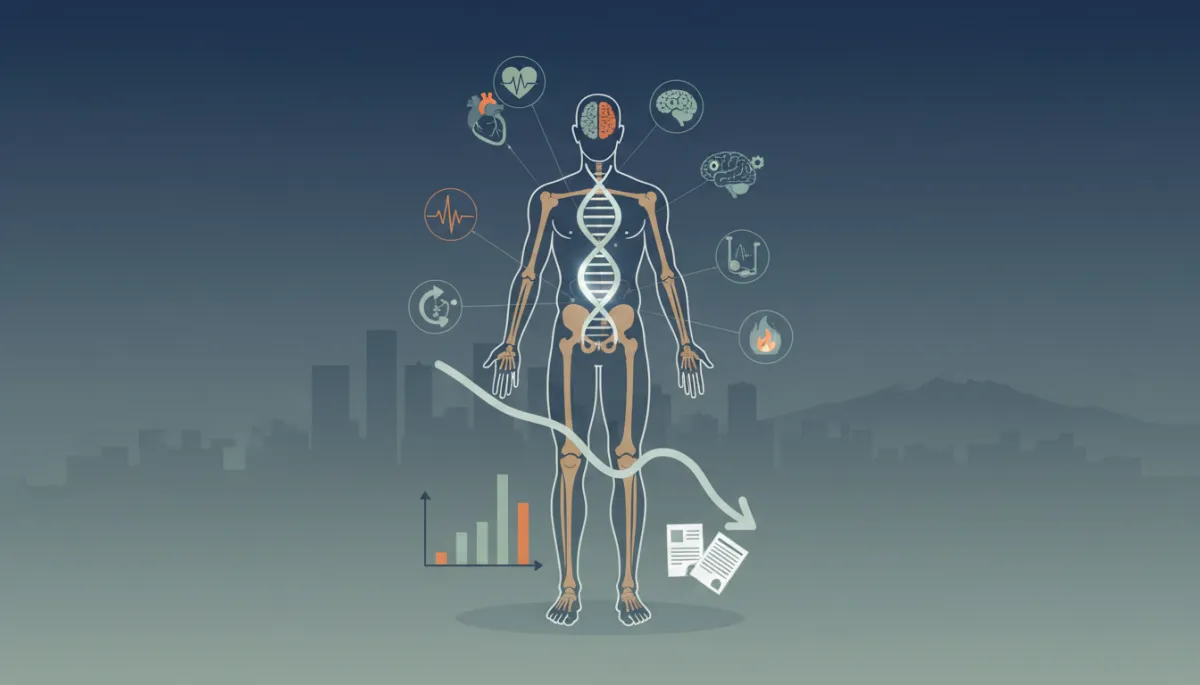
Testosterone Therapy Benefits for Men in Spokane
Health, Testosterone Therapy Benefits, TRT Spokane
Feeling flat, tired, or vaguely “off” in your late 30s, 40s, or 50s is about as common in Spokane as road construction in June. The question is whether that feeling is “just getting older” or something more specific—like low testosterone—and whether testosterone therapy benefits are real or just another overpromised internet miracle.
The Honest Version of “Low T”
Testosterone is a real hormone with a real decline curve, not a punchline from late‑night supplement ads. Levels peak in young adulthood and, for most men, drift down slowly over time—roughly 1–2% per year after your 30s. That doesn’t mean every tired 40‑something in Spokane Valley needs a prescription. It does mean that for some men, testosterone drops low enough to cause symptoms worth paying attention to.
Here’s the inconvenient truth: feeling tired, foggy, or flat is nonspecific. It can be low testosterone. It can also be sleep apnea, depression, chronic stress, anemia, thyroid issues, too much IPA, not enough vegetables, or the fact that you haven’t taken a real vacation since the Obama administration. Your brain and body do not come with a dashboard light that says “LOW T” when levels drop. The only way to know is to test, not guess.
So if you’re a man aged 35–65 in Spokane who feels off and suspects low testosterone, skepticism is appropriate. The goal isn’t to talk you into anything. It’s to explain what testosterone actually does, what testosterone therapy benefits are supported by research, and where the data draw the line between “helpful” and “let’s not do that.”
What Testosterone Actually Does (Signaling, Not Magic)
Testosterone is a signaling molecule. It tells tissues what to do; it does not personally bench‑press your bodyweight. In adult men, normal testosterone levels help regulate:
Energy and vitality – how “up for life” you feel, not just caffeine levels.
Libido and sexual function – interest in sex and, to a degree, erectile performance.
Mood – lower testosterone can be associated with low mood, irritability, and that “meh” feeling that’s hard to describe but easy to recognize.
Muscle mass and strength – testosterone supports protein synthesis and helps you maintain lean mass, especially when you actually use your muscles on purpose.
Bone density – it helps keep bones from thinning out over time.
Metabolism and body composition – influences how your body partitions calories toward muscle vs. fat, and how sensitive your tissues are to insulin.
When testosterone is genuinely low, those systems can underperform. Testosterone therapy (TRT) aims to bring levels back into a normal physiological range—not to transform you into a 22‑year‑old powerlifter with a side hustle in Instagram fitness influencing. Used properly, TRT is about restoring signal strength, not broadcasting on illegal frequencies.
Testosterone Therapy Benefits the Research Actually Supports
There is a difference between “a guy on YouTube said” and what randomized controlled trials have shown. Most of the solid data on testosterone therapy benefits come from studies in men with clearly low baseline levels—typically total testosterone under about 300 ng/dL—who also had symptoms. That part matters. The benefits are not nearly as clear in men with normal levels chasing “optimization” or supraphysiologic numbers.
Sexual Desire and Erectile Function
This is the most consistent, best‑supported benefit. Across multiple trials, including the Testosterone Trials (a coordinated set of seven studies in older men with low T), testosterone therapy improved sexual desire, sexual activity, and erectile function to a moderate degree. It is not a replacement for medications like sildenafil when there are vascular issues, but in men with low testosterone, bringing levels back to normal often improves libido and can support better erectile performance. Think “noticeable nudge,” not “movie plot.”
Mood, Vitality, and Energy
In the Testosterone Trials, men reported modest improvements in mood and depressive symptoms, and some improvement in perceived energy. Other studies echo this: men with low testosterone who start TRT often describe feeling more engaged, less irritable, and less “stuck in neutral.” It does not cure major depression or replace therapy, but it can move the needle on that gray, washed‑out feeling when low T is part of the picture.
Lean Muscle, Fat Mass, and Body Composition
Testosterone therapy consistently increases lean body mass and reduces fat mass in men with low levels. In plain language: more muscle, less fat, assuming you also move your body and eat like a reasonably responsible adult. The changes are meaningful but not magical—this is not a legal shortcut to a bodybuilding stage. Over a year or more, TRT can make it easier to respond to strength training and harder to accumulate central fat, which matters for long‑term health and how your clothes fit in January.
Bone Mineral Density
The bone trial within the Testosterone Trials showed that TRT increased bone mineral density and estimated bone strength, particularly in the spine and hip. Over years, that could translate into a lower fracture risk, though the trials weren’t long enough to fully prove that outcome. Still, for men with low testosterone and low bone density, this is one of the quieter but important testosterone therapy benefits—especially if you’d like to avoid being the guy who breaks a hip stepping off a curb in downtown Spokane.
Insulin Sensitivity and Metabolic Health
Low testosterone is associated with higher fat mass, lower muscle mass, and worse insulin sensitivity—all risk factors for type 2 diabetes and cardiovascular disease. Several studies suggest TRT can improve insulin sensitivity and some metabolic markers in men with low T, especially when combined with lifestyle changes. It is not a substitute for addressing diet, sleep, and activity, but it can be one tool in a broader metabolic tune‑up for men with documented low testosterone.

Careful testing and follow-up help match TRT benefits to each man’s real needs.
The Research: T‑Trials, TRAVERSE, and Cardiovascular Safety
The Testosterone Trials (T‑Trials)
The Testosterone Trials were a coordinated set of seven randomized, placebo‑controlled studies in older men (65 and up) with low testosterone. They looked at sexual function, physical function, vitality, cognition, anemia, bone health, and cardiovascular plaque. The short version:
Sexual function: modest but clear improvements in sexual activity, desire, and erectile function.
Mood and vitality: some improvement in mood and depressive symptoms; mixed results on pure “energy” scores.
Physical function: small improvements in walking distance in some men, but not a dramatic athletic upgrade.
Bone health: increases in bone mineral density and estimated strength.
They also found an increase in non‑calcified coronary plaque volume on CT scans, which raised questions about cardiovascular risk and led, in part, to the much larger TRAVERSE trial. Science, unlike some marketing, does occasionally admit when it needs more data.
The TRAVERSE Trial and Cardiovascular Safety
TRAVERSE was the big one: over 5,200 men aged 45–80 with confirmed hypogonadism and either cardiovascular disease or significant risk factors. They were randomized to daily testosterone gel or placebo and followed for a median of about 33 months. The primary outcome was major adverse cardiovascular events—cardiovascular death, nonfatal heart attack, or nonfatal stroke.
The result that matters for a lot of men considering TRT Spokane‑wide: there was no increase in major adverse cardiovascular events in the testosterone group compared with placebo. About 7.0% of the testosterone group and 7.3% of the placebo group had a primary event, with a hazard ratio of 0.96 (95% confidence interval 0.78–1.17). In other words, within the studied population, testosterone was not inferior to placebo for cardiovascular safety over nearly three years of follow‑up.
That’s reassuring, but not a free pass. TRAVERSE did find higher rates of certain issues in the testosterone group, including atrial fibrillation (an irregular but usually non‑fatal heart rhythm), venous blood clots, pulmonary embolism, acute kidney injury, and, somewhat unexpectedly, more fractures. None of these were common, but they were more frequent than in the placebo group, which is why men’s hormone therapy in Spokane Valley should involve actual physicians, monitoring, and not “I found this vial online and what could possibly go wrong?”
The FDA Labeling Update in 2025
In February 2025, the FDA updated labeling for all approved testosterone products. The previous boxed warning about increased cardiovascular risk was removed, reflecting the TRAVERSE data showing no increased rate of major adverse cardiovascular events in appropriately selected men. At the same time, the FDA required that TRAVERSE results be included in product labeling and added or strengthened warnings about increased blood pressure for many products based on ambulatory blood pressure monitoring studies.
Importantly, the FDA kept the “limitation of use” language: testosterone products are approved for men with clear hypogonadism, not for general “age‑related low T” in men with normal levels who just want to feel younger. In other words, regulators are roughly on the same page as your most skeptical friend: used for the right reason, with the right monitoring, TRT can be reasonable. Used as a midlife performance enhancer in men without low testosterone, not so much.
Who Is (and Isn’t) a Good Candidate for TRT
Good candidates for testosterone therapy tend to have two things:
Consistent symptoms – low libido, erectile difficulties, low energy, reduced motivation, decreased muscle mass or strength, more body fat, low mood, or decreased morning erections.
Confirmed low labs – usually morning total testosterone under about 300 ng/dL on at least two separate occasions, often with low free testosterone as well, plus related labs to rule out other causes.
Symptoms alone are not enough. Lab numbers alone are not enough. You want the combination of how you feel and what your bloodwork shows to point in the same direction. Proper testing usually includes morning total and free testosterone, SHBG, estradiol, a complete blood count, PSA (for prostate screening), metabolic labs, and sometimes thyroid tests and prolactin, depending on the picture.
Men who are not good candidates include those with normal testosterone levels, active prostate or breast cancer, uncontrolled severe sleep apnea, very high red blood cell counts, or those hoping TRT will fix problems that are clearly about something else (like an untreated mood disorder, a toxic work schedule, or six beers a night). For some men, addressing sleep, nutrition, alcohol, and stress does more than any injection could—and a good clinic will tell you that, even if it is less profitable than handing you a prescription.
Why Physician‑Supervised TRT Matters
Testosterone is not a multivitamin. When you replace or supplement it, several things need to be watched over time:
Dosing and delivery – injections, gels, or other methods each have pros and cons. The dose should be individualized, targeting a healthy range, not “the highest number the lab will print.”
Blood counts (hematocrit and hemoglobin) – testosterone can raise red blood cell production. Too high, and your blood gets thicker, increasing clot risk. This is manageable with dose adjustments or therapeutic phlebotomy, but only if someone is actually checking your labs.
Estradiol – some testosterone converts to estradiol. You need some for joint, brain, and sexual health, but too much can cause breast tenderness, water retention, or mood changes. The answer is not automatic “estrogen blockers for everyone,” but measured, targeted management when needed.
Prostate and PSA – for most men, TRT doesn’t cause prostate cancer, but it can accelerate growth in men who already have it. Baseline and periodic PSA, plus appropriate screening, are part of responsible care.
Blood pressure and metabolic markers – given what we know from TRAVERSE and blood pressure studies, monitoring cardiovascular risk factors is not optional.
This is why physician‑supervised hormoen therapy in Spokane Valley, Liberty Lake, and the surrounding area is a different universe from gray‑market vials, overseas websites, or “clinic‑in‑a‑box” operations that promise the world and barely check your hematocrit. The goal is to balance testosterone therapy benefits with a sober respect for side effects and long‑term health, not to chase the highest dose you can tolerate until something breaks.
Prime Body Solutions: Local, Boringly Evidence‑Based TRT in Spokane
If you’re in Spokane, Spokane Valley, Liberty Lake, Post Falls, or Coeur d’Alene and you’re wondering whether low testosterone is part of why you feel off, Prime Body Solutions exists for exactly that question. Our approach to TRT Spokane care is fairly simple:
Start with thorough testing, not assumptions. Morning total and free testosterone, related labs, and a real conversation about your symptoms and health history.
If you have low testosterone and symptoms, discuss evidence‑based options, including testosterone therapy, lifestyle changes, or both. If your levels are normal, we talk about other causes and next steps instead of trying to sell you a program you don’t need.
If you start TRT, we monitor you over time—labs, symptoms, side effects—and adjust as needed. No one‑and‑done prescriptions, no disappearing act once the first vial is out the door.
Our focus is on sustainable men’s hormone therapy Spokane Valley and beyond can trust: thoughtful dosing, careful monitoring, and honest conversations about what testosterone therapy benefits you can reasonably expect, and what it will not fix. Individual results vary, and TRT is not for everyone—but for the right man, with the right labs, it can be a meaningful part of feeling more like yourself again.
To learn more about how testosterone therapy Liberty Lake and Spokane‑area men can access through Prime Body Solutions works in practice, you can visit our full service overview here: testosterone therapy benefits and treatment details . If you’re ready to move from “I wonder” to actual numbers, you can schedule an initial evaluation here: book a TRT consultation .
NAP – Prime Body Solutions
Name: Prime Body Solutions
Address: 1234 E Example Ave, Suite 200, Spokane, WA 99202
Phone: (509) 555‑0134
Website:https://www.primebodysolutions.com
Disclaimer: This content is for informational purposes only and does not constitute medical advice. It is not a substitute for professional medical evaluation, diagnosis, or treatment. Always consult with a qualified healthcare provider about your specific health needs and before starting or changing any medication, hormone therapy, or treatment plan.

