Testosterone Screening: Spokane Men Consider Testing
Men's Health, Testosterone, Spokane
Pentagon Testosterone Screening: Should Men in Spokane Get Tested Too?
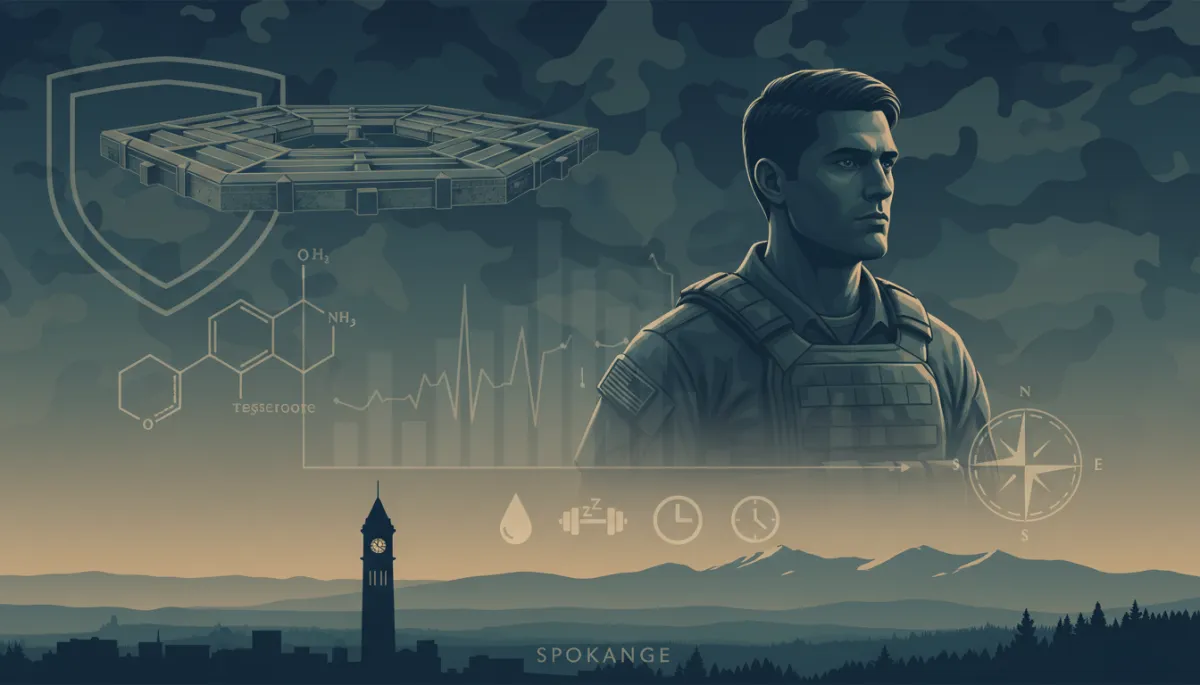
Beginning July 2026, the Pentagon will add a new annual ritual for service members age 30 and older: a standardized testosterone screening, right alongside vaccinations and lectures about not ignoring knee pain. The stated goal is “readiness.” The unstated question many men in Spokane now have is simpler: should I get my testosterone tested too?
Testing for low testosterone is reasonable if you have persistent symptoms such as fatigue, low libido, poor exercise recovery, or mood changes. A true diagnosis requires two separate morning blood draws with total testosterone below roughly 300 ng/dL plus symptoms. A single lab number, without symptoms, is not diagnostic and should not launch you into lifelong injections.
Why is the military screening for low testosterone?
In July 2026, the Department of Defense quietly added annual testosterone screening for service members aged 30 and older, responding to congressional pressure, concerns about declining fitness scores, and broader anxiety about shrinking recruitment pools. When you cannot easily increase the number of young, invincible recruits, you start looking for ways to optimize the ones you already have—hormones included. It is a very 2026 solution to a very old problem: humans get tired, stressed, and older on schedule, regardless of policy memos.
Behind the scenes, there is growing discussion of so‑called “Operator Syndrome”—a cluster of symptoms in high‑stress military roles that includes sleep disruption, mood changes, fatigue, and reduced performance. Years of deployments, blast exposure, night shifts, and energy drinks do not exactly nurture a healthy endocrine system. Chronic stress, sleep deprivation, and weight gain can all suppress testosterone, which makes the hormone an appealing biomarker for policymakers who like simple numbers, even when the biology is not simple at all.
It is worth noting that major endocrine societies still advise against blanket screening of asymptomatic men, military or otherwise. Some physicians are openly skeptical about treating testosterone as a performance-enhancing “readiness drug,” pointing out that inappropriate treatment can carry risks without guaranteed benefit. The medically boring but important point is that testosterone should be evaluated and treated as part of a full clinical picture—not as a magic dial to turn troops, or civilians in Spokane, into perpetual twenty‑year‑olds.
⚠️ Warning: Policy decisions sometimes get ahead of medical evidence. Current guidelines emphasize testing men with symptoms, not mass screening healthy populations, even if those populations wear uniforms.
What counts as low testosterone?
Despite the way it is discussed online, low testosterone is not defined by how tired you feel after shoveling snow in Spokane. Medically, we diagnose male hypogonadism using two ingredients: consistent symptoms and documented low levels on blood work. Neither one, by itself, is enough. You can have symptoms with normal levels, or low levels without meaningful symptoms, and neither situation automatically demands testosterone replacement therapy (TRT).
Current guidelines consider total testosterone levels of about 300 ng/dL (roughly 10 nmol/L) or lower—on two separate morning tests—as the biochemical threshold for low testosterone in most men. Levels peak in the early morning and fall throughout the day, which is why drawing blood at 3 p.m. after a double shift and three coffees is not particularly helpful. A single borderline result, especially from an afternoon or non‑fasting sample, is more of a conversation starter than a diagnosis.
Because proteins like sex hormone–binding globulin (SHBG) can alter how much testosterone is actually available to your tissues, we often also look at free testosterone, especially in men with obesity, diabetes, metabolic syndrome, or fatty liver. In other words, the number that matters is not just “testosterone” but how it behaves in your particular body. This is one reason a rushed fingerstick test at a strip‑mall clinic is not considered a comprehensive evaluation, even if it comes with a very confident sales pitch.
Symptoms worth taking seriously
The symptoms of low testosterone are impressively nonspecific, which is why blaming everything on hormones is so tempting. However, when several of these persist for months despite reasonable sleep, nutrition, and exercise, testing becomes rational rather than trendy. Below is a brief comparison of common symptoms, how they relate to low testosterone, and other frequent culprits that show up in clinics from Spokane to Coeur d’Alene.
Symptom Possible link to low T Other common causes Persistent fatigue Reduced energy production, anemia risk Sleep apnea, depression, thyroid disease, overtraining Low libido Classic symptom of hypogonadism Relationship stress, medications (SSRIs), chronic illness Erectile changes Can reflect low T or vascular issues Diabetes, cardiovascular disease, medications, anxiety Loss of morning erections Stronger association with hormonal or vascular changes Poor sleep, alcohol use, nerve injury Stalled strength or muscle loss Low T can impair muscle protein synthesis Aging, inadequate protein, inconsistent training, injuries Irritability or low mood Hormonal shifts can affect neurotransmitters Depression, PTSD, chronic stress, substance use Increasing belly fat Low T promotes visceral fat; fat further lowers T Caloric excess, inactivity, alcohol, aging metabolism
💡 Pro Tip: If several of these symptoms persist for three to six months despite reasonable lifestyle habits, it is entirely rational—not vain—to consider a proper hormone evaluation.
How do you get tested?
A serious evaluation for low testosterone starts with an unglamorous step: a morning blood draw, ideally between 7:00 and 10:00 a.m., while fasting. We measure total testosterone first and often add free testosterone, especially if there are factors that might alter SHBG. This is not the time for a $20 fingerstick in a shopping center kiosk that claims to “optimize your manhood in minutes.”
In a comprehensive panel, we also look at CBC (to assess red blood cells), estradiol, LH and FSH (to distinguish primary from secondary hypogonadism), thyroid function, a metabolic panel, and PSA for prostate screening in appropriate age groups. This broader view helps us identify reversible contributors like obesity, sleep apnea, medications, thyroid disease, or pituitary issues. It also gives a baseline if TRT is eventually considered, because guessing is a poor monitoring strategy, even in Spokane’s famously practical culture.
At Prime Body Solutions in Liberty Lake, we use full hormone panels interpreted in the context of your history, medications, and lifestyle—not just a single number on a screen. Your visit includes a physician consultation to review symptoms, exam findings, and whether further testing is warranted before anyone reaches for a prescription pad. For men coming from Spokane, Spokane Valley, Post Falls, Coeur d’Alene, or Fairchild AFB, the process is designed to be thorough, not theatrical.
What happens if your testosterone is low?
If your first morning test shows total testosterone below about 300 ng/dL and you have consistent symptoms, the next step is not to order vials of testosterone online. We repeat the test on a different morning under similar conditions to confirm the result. Hormones fluctuate, labs vary, and making a lifelong decision based on a single draw is the medical equivalent of judging Spokane’s weather by one February afternoon.
Once low testosterone is confirmed twice, we look for reversible causes. Weight gain, untreated sleep apnea, certain medications (like opioids or steroids), excessive alcohol, or pituitary disorders can all drive levels down. In some men, improving sleep, reducing body fat, or adjusting medications can raise testosterone enough to improve symptoms without injections, which is less dramatic but also less risky and less expensive in the long run.
If true hypogonadism remains after this workup, testosterone replacement therapy (TRT) may be appropriate. At Prime Body Solutions, TRT is managed as an ongoing medical treatment, not a quick “boost.” We monitor CBC, estradiol, PSA, and metabolic markers at regular intervals, adjust dosing, and watch for side effects such as elevated red blood cell counts or changes in prostate health. For more detail, you can review our dedicated testosterone/TRT service page and related blog posts on TRT safety and monitoring.
⚠️ Safety Note: Large trials like TRAVERSE have shown no major increase in heart attacks or strokes with TRT but did find higher rates of pulmonary embolism and fractures. This is why careful selection and monitoring matter more than catchy marketing claims.
What if it’s normal?
A normal testosterone result is not a wasted test; it is a useful boundary. It tells us that your fatigue, mood changes, or stalled strength are likely driven by something other than a primary testosterone deficiency. That “something else” might be sleep apnea, depression, thyroid disease, cardiovascular issues, chronic stress, or simply the cumulative effect of trying to live a 24‑hour life in a 24‑hour news cycle.
In that situation, the next step is not to chase higher‑than‑normal testosterone levels in hopes of superpowers. Instead, we pivot to targeted evaluation and treatment of the real contributors—whether that means a sleep study, mental health support, nutrition changes, or other medical work‑up. Knowing what is not the problem is often the first step toward solving what actually is, even if it is less glamorous than a hormone prescription.
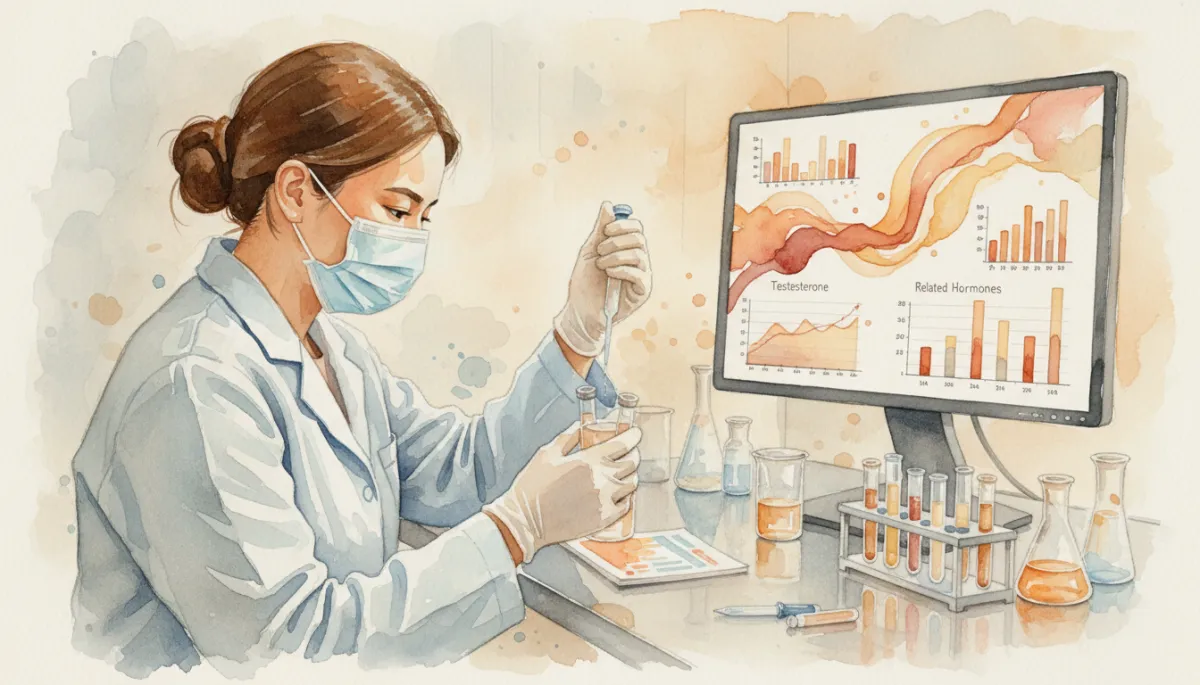
Comprehensive hormone panels help separate true low testosterone from other health issues.
Spokane, service members, and local testing options
Spokane is not exactly short on uniforms or veterans. Between Fairchild AFB, the Mann‑Grandstaff VA Medical Center, and a large community of retired and reserve personnel, questions about testosterone, performance, and long‑term health come up often in clinic visits. Many men have spent years in high‑stress roles with irregular sleep, demanding physical standards, and a culture that treats “I’m exhausted” as a punchline rather than a chief complaint.
Prime Body Solutions, located at 2110 N Molter Rd, Suite 119, Liberty Lake, WA 99019, provides physician-led hormone evaluations for men across Spokane, Spokane Valley, Liberty Lake, Post Falls, and Coeur d’Alene. Under the direction of our Medical Director, Dr. Cody Belkoff, DO, we offer comprehensive hormone panels, in‑depth consultations, and ongoing management when treatment is appropriate. Our goal is straightforward: evidence-based care that respects both the data and your lived experience, without overpromising miracles in a syringe.
If you have persistent symptoms and want a thorough evaluation—not just a quick “low T” label—you can call us at (509) 601-4700 or request a visit through our consultation booking page. Whether you are active-duty at Fairchild AFB, a veteran navigating post‑service health, or a civilian who simply wants clear answers, a structured assessment can replace speculation with actual numbers and a plan.
FAQ: Testosterone testing and treatment in Spokane
Should I get my testosterone tested?
Testing makes sense if you have persistent symptoms such as low libido, fatigue, poor recovery from workouts, loss of morning erections, irritability, or increased belly fat. If you feel generally well, routine screening “just to see” is not recommended by major endocrine societies, Pentagon policy notwithstanding. A brief conversation with a clinician can help decide whether testing is appropriate for your situation.
What level of testosterone is considered low?
In most guidelines, total testosterone levels of about 300 ng/dL or lower, measured on two separate morning tests, are considered low when combined with consistent symptoms. A single low or borderline result is not enough to diagnose hypogonadism or justify treatment. Context—symptoms, timing of the draw, and other labs—matters as much as the number itself.
Why is the military testing troops for testosterone?
The Pentagon’s July 2026 policy reflects concerns about force readiness, population declines, and the impact of chronic stress, sleep deprivation, and “Operator Syndrome” on performance. Annual screening for service members over 30 offers data for policymakers, even though it goes further than civilian guidelines, which discourage routine testing of asymptomatic men. In practice, it may identify some men with true hypogonadism but also many with low-normal values driven by lifestyle factors.
What time of day should testosterone be tested?
Testosterone should be tested with a fasting morning blood draw, typically between 7:00 and 10:00 a.m., when levels are highest and most stable. Afternoon or evening tests can underestimate your true baseline and make results harder to interpret. For diagnosis, we repeat this morning testing on a different day to confirm consistency.
What labs are included in a full hormone panel for men?
A thorough panel typically includes total testosterone, free testosterone (or calculated free T), estradiol, LH, FSH, CBC, a metabolic panel, thyroid tests, and PSA when appropriate. Additional markers such as SHBG, lipid profile, and HbA1c may be added based on your history and risk factors. At Prime Body Solutions, these labs are interpreted alongside your symptoms and exam, rather than in isolation.
Where can I get my testosterone tested near Spokane?
Men in Spokane, Spokane Valley, Liberty Lake, Post Falls, and Coeur d’Alene can schedule comprehensive testing and consultation at Prime Body Solutions, 2110 N Molter Rd, Suite 119, Liberty Lake, WA 99019. We coordinate blood work and a physician visit to review results and discuss options, including non‑pharmacologic strategies and TRT when appropriate. To arrange an evaluation, call (509) 601-4700 or use our online consultation booking page.
This article is for educational purposes and is not medical advice. Testosterone therapy carries risks and is not appropriate for everyone; benefits and candidacy depend on symptoms plus confirmed lab testing. Individual results vary. Consult a licensed physician before starting any hormone therapy.

