KPV Peptide: Anti-Inflammatory Therapy in Spokane
Peptides, KPV peptide Spokane, Mast Cell Activation Syndrome Spokane, Anti-inflammatory peptide therapy Spokane, Peptide therapy Liberty Lake
KPV: The Three-Amino-Acid Peptide Everyone Suddenly Wants to Talk About
KPV peptide has had a strange year for something that is only three amino acids long. It showed up in scientific advisory committee slides in July 2026, then in headlines about an 8–6 vote, and at the same time in Spokane-area patient forums as a possible answer for inflammatory problems no one has fully explained. Both things are true at once: KPV is a genuinely interesting anti-inflammatory tripeptide, and the human evidence behind it is genuinely thin.
KPV peptide is a tripeptide made of lysine, proline, and valine (Lys‑Pro‑Val) derived from the C‑terminal end (residues 11–13) of the 13‑amino‑acid hormone alpha‑melanocyte‑stimulating hormone (α‑MSH), studied mainly for anti-inflammatory effects via NF‑κB inhibition in animal models of colitis. It shows promise in preclinical models for calming excessive inflammatory signaling, especially in the gut.
Tiny but active: Only three amino acids long (Lys‑Pro‑Val) yet biologically active in preclinical models.
Anti-inflammatory focus: Primarily studied for its ability to calm excessive inflammatory signaling, especially in the gut.
Mechanism-based interest: Acts mainly through NF‑κB inhibition in animal and cell models of colitis.
What Is KPV Peptide?
KPV is a tripeptide — just three amino acids: lysine, proline, and valine (Lys‑Pro‑Val). For scale, insulin has 51 amino acids. KPV is about as small as a peptide gets while still doing something, which makes its resume feel a bit like a three-word haiku trying to carry a novel’s plot.
KPV is the C‑terminal fragment (residues 11–13) of alpha‑melanocyte‑stimulating hormone (α‑MSH), a naturally occurring 13‑amino‑acid hormone the body makes from the POMC precursor. The key point: α‑MSH has two separate jobs — pigmentation (the "tanning" signal) and inflammation control. KPV appears to carry the anti-inflammatory activity without meaningful pigment-stimulating activity. This is what distinguishes it from Melanotan-type peptides, which do the opposite and lean hard into pigmentation with much less interest in calming inflammation.
Fragment of α‑MSH: Derived from residues 11–13 of the natural hormone alpha‑MSH.
Selective activity: Appears to retain inflammation-control properties while minimizing pigment (tanning) effects.
Different from tanning peptides: Unlike Melanotan-type compounds, KPV is explored for inflammation, not cosmetic tanning.
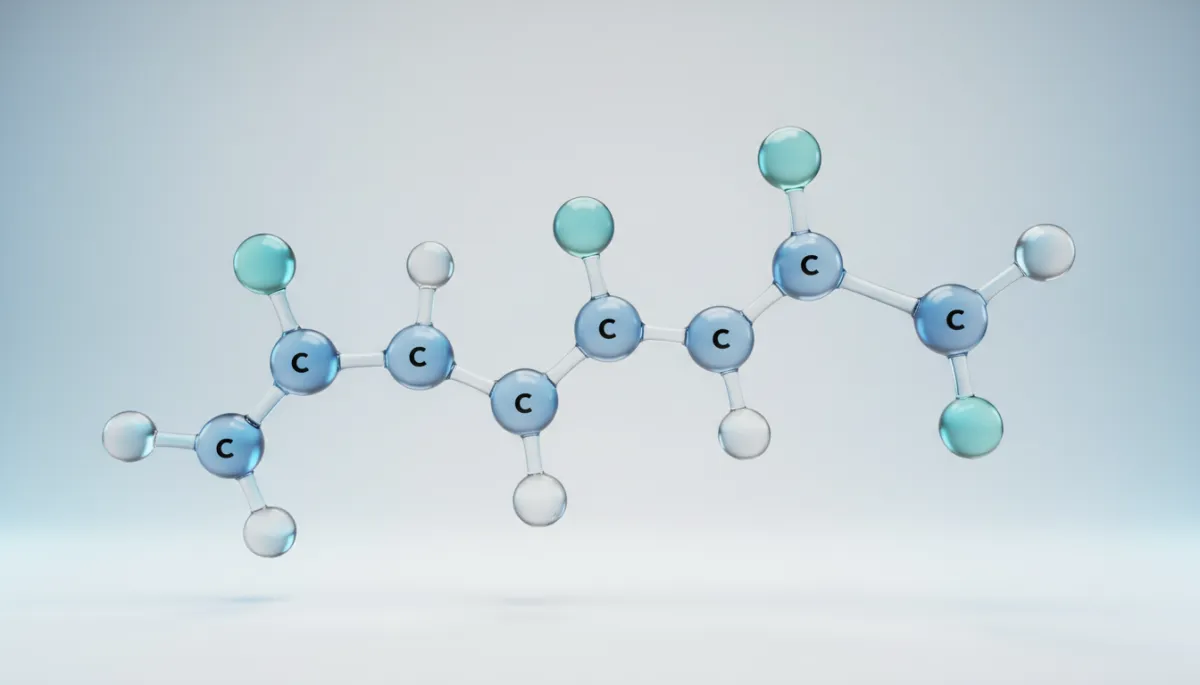
KPV is a three-amino-acid fragment of α‑MSH that retains anti-inflammatory signaling without significant pigment effects.
Put differently, if α‑MSH is a full multitool with a flashlight and a knife, KPV is the tiny detachable screwdriver bit that only does one job. The interest in KPV peptide in Spokane and beyond comes from the hope that you can keep the inflammation-calming screwdriver and leave the tanning booth behind.
📌 Key Takeaway: KPV is a minimalist fragment of a larger hormone that seems to keep the calm-the-inflammation benefits while leaving the tanning effects behind — one reason it has captured so much attention around Liberty Lake and Spokane.
How Does KPV Work in the Body?
Mechanistically, KPV inhibits NF‑κB, the master transcription-factor switch that turns on inflammatory gene expression, by interfering with its movement into the cell nucleus. When NF‑κB is kept out of the nucleus, the genes that encode inflammatory mediators are less likely to be transcribed, which is a polite way of saying the cell yells less often and less loudly.
Downstream, this reduces pro-inflammatory cytokines including TNF‑α, IL‑1β, IL‑6, and IL‑8 in laboratory models. Those four letters-and-numbers combinations are some of the usual suspects in chronic inflammation, including in gut disease and many immune-mediated conditions. In cell-culture and animal work, dialing them down tends to correlate with less tissue damage and calmer immune signaling, at least in the systems being studied.
Another mechanistic twist — and the reason gastroenterology journals, not dermatology magazines, were the first to give KPV attention — is how it gets into cells. KPV is taken into cells via PepT1, a peptide transporter normally found in the small intestine that becomes abnormally expressed in inflamed colon tissue. That quirk is the reason gut researchers got interested — the transporter that lets KPV in is upregulated exactly where the inflammation is, so the "door" opens widest where the "fire" is hottest in colitis models.
NF‑κB inhibition: Helps keep this key transcription factor out of the nucleus, dialing down inflammatory gene expression in models.
Cytokine reduction: Associated with lower levels of TNF‑α, IL‑1β, IL‑6, and IL‑8 in cell and animal studies.
PepT1 transport: Enters cells through the PepT1 transporter, which is upregulated in inflamed colon tissue, potentially concentrating effects where inflammation is highest.
📌 Key Takeaway: The two big mechanistic hooks for KPV are NF‑κB inhibition and PepT1-mediated uptake in inflamed tissue. Both make sense on paper and help explain why KPV is being explored for inflammatory gut conditions.
What Is KPV Used For in the Research, Really?
The honest answer: the actual evidence base for KPV is almost entirely in the gut, and almost entirely in animals and cell culture. Dalmasso et al., Gastroenterology, 2008 — titled "PepT1-mediated tripeptide KPV uptake reduces intestinal inflammation" — reported that oral KPV reduced colitis severity in mouse models induced with DSS and TNBS. In those mice, less weight loss, better colon appearance, and lower inflammatory markers made everyone in the lab feel cautiously optimistic about three amino acids doing something useful.
Laroui and Dalmasso followed this with a 2010 Gastroenterology paper in which KPV loaded into colon-targeted nanoparticles reduced colitis in mice at a dose roughly 12,000‑fold lower than free peptide, indicating the delivery method matters enormously. That 12,000‑fold number is the sort of thing that gets repeated in conference talks and marketing copy; it also comes from a very specific mouse setup, not a human trial in Spokane Valley or Coeur d'Alene.
In 2016, a study in Cellular and Molecular Gastroenterology and Hepatology reported that PepT1-mediated KPV showed therapeutic benefit in a murine model of colitis-associated cancer. Again, the pattern is consistent: inflamed colon, PepT1 upregulation, KPV getting in, NF‑κB and cytokines going down, and pathology scores improving in mice. The pattern is also consistently not in humans.
Gut-focused research: Most data come from mouse colitis and colitis-associated cancer models, not human trials.
Delivery matters: Nanoparticle delivery achieved effects at ~12,000‑fold lower doses than free peptide in one mouse study.
Preclinical stage: Evidence is promising but limited to animals and cell culture so far.
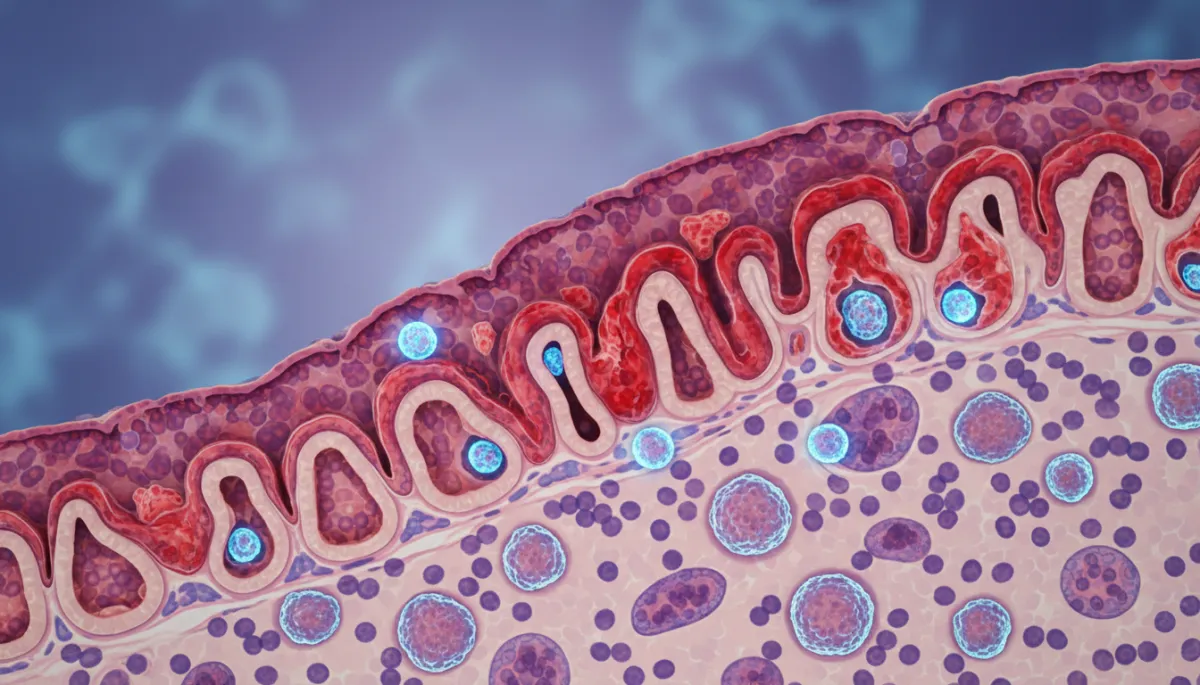
KPV’s best-characterized effects are in mouse models of colitis, not in human inflammatory bowel disease.
The honest limitation: essentially all of this is cell-culture and rodent work. There are no large published human randomized controlled trials of KPV for any indication. The popular uses circulating online — skin conditions, general inflammation, wound healing, "MCAS hacks," and generic "anti-inflammatory peptide therapy Spokane" — run well ahead of the published human data, which currently sits at zero controlled trials.
Claim Evidence level What the studies actually showed KPV reduces intestinal inflammation Animal (mouse colitis models) Dalmasso et al., Gastroenterology, 2008 and Laroui/Dalmasso, Gastroenterology, 2010 showed oral or nanoparticle KPV reduced DSS- and TNBS-induced colitis severity in mice. KPV inhibits NF‑κB and inflammatory cytokines Cell culture and animal Laboratory models show KPV interfering with NF‑κB nuclear translocation and reducing TNF‑α, IL‑1β, IL‑6, and IL‑8 expression. KPV helps skin conditions and wound healing Preliminary/preclinical Early preclinical work and theoretical mechanisms exist, but popular topical and cosmetic uses exceed published human data. KPV helps Mast Cell Activation Syndrome (MCAS) No human trials — mechanistic hypothesis only Interest is based on melanocortin receptors and NF‑κB pathways; there are no human clinical trials of KPV for MCAS. KPV causes tanning or pigment change Mechanistic expectation KPV appears to carry anti-inflammatory activity without meaningful pigment-stimulating activity, unlike full-length α‑MSH or Melanotan-type peptides.
💡 Pro Tip: When you see bold claims about KPV online, ask two questions: Was this shown in humans? and Was it a controlled trial? For now, most answers trace back to promising but early animal and cell data.
Can KPV Help With Mast Cell Activation Syndrome?
This is where the forums light up and where we need to be especially precise. Mast cells are immune cells embedded in skin, gut lining, airways, and around blood vessels. When activated they release histamine, tryptase, prostaglandins, and leukotrienes — essentially opening the chemical pantry and throwing everything at once into the tissue and circulation. That is useful when you are fighting infection or healing an injury; it is less charming when it happens repeatedly for reasons no one can quite identify.

Mast cells release histamine, tryptase, prostaglandins, and leukotrienes, driving episodic multi-system symptoms in MCAS.
Mast Cell Activation Syndrome (MCAS) is a condition in which mast cells release mediators inappropriately or excessively, producing episodic, multi-system symptoms — flushing, hives, itching, abdominal pain and diarrhea, nausea, wheezing, brain fog, and blood-pressure swings. That list may sound uncomfortably familiar if you live in Spokane or Liberty Lake and have been told for years that your symptoms are "just stress" or "probably IBS."
Consensus diagnostic criteria generally require three things together: recurrent symptoms in two or more organ systems, an objective rise in a mast cell mediator during an episode — classically serum tryptase increasing by at least 20% above the patient's own baseline plus 2 ng/mL — and symptom improvement on mast-cell-directed therapy. That "20% above baseline plus 2 ng/mL" threshold is not arbitrary; it is there to protect patients from both under-recognition and over-diagnosis, which MCAS unfortunately sees in equal measure depending on which clinic you walk into.
⚠️ Warning: Symptoms alone are not enough to diagnose Mast Cell Activation Syndrome. Objective mediator testing and response to appropriate therapy matter. Self-diagnosing MCAS from a symptom checklist online is understandable, but it is not reliable, and it can delay evaluation for other treatable conditions.
Standard, established first-line management is H1 and H2 antihistamines, then agents such as cromolyn sodium and leukotriene receptor antagonists, plus trigger identification. This is the current standard of care, in Spokane, Spokane Valley, and everywhere else that follows mainstream allergy and immunology guidelines. It is not glamorous, but it is what has actual human data and regulatory approval behind it today.
Where does KPV theoretically fit into MCAS?
The KPV connection is theoretical, not proven. The rationale: melanocortin-1 receptors (MC1R) are expressed on mast cells and other immune cells, and melanocortin signaling modulates immune-cell behavior in laboratory models. NF‑κB inhibition is also relevant to mast-cell-driven inflammation, because NF‑κB sits upstream of many of the genes that control mediator production and release. On paper, a small peptide that interacts with melanocortin pathways and dampens NF‑κB looks like it might be interesting in a condition defined by excessive mediator release.
The honest counterweight — and this is important if you have already been promised too much by too many people — is that the melanocortin/mast-cell literature is not one-directional. Some studies describe α‑MSH as dampening inflammatory activity; others have found α‑MSH can act as a selective inducer of secretory function in human mast cells, and a 2015 mouse study found α‑MSH triggered itch via histamine release from keratinocytes. Biology, like most of medicine, rarely gives us a clean hero or villain.
There are no human clinical trials of KPV for MCAS. The interest is mechanistic plausibility, not demonstrated benefit. Anyone presenting KPV as an MCAS treatment is describing a hypothesis, not a finding. That distinction is not academic — it is the difference between "this might be interesting to watch over the next five years" and "you should order a research-only vial from the internet tomorrow."
Theoretical role only: MC1R expression on mast cells and NF‑κB links make KPV mechanistically interesting but not proven for MCAS.
Mixed melanocortin data: α‑MSH can both dampen and stimulate certain immune and itch pathways in different models.
No MCAS trials: There are currently zero human clinical trials of KPV specifically for Mast Cell Activation Syndrome.
📌 Key Takeaway: For MCAS-type symptoms today, the productive move is a proper workup and established treatment, not abandoning antihistamines or cromolyn in favor of an unapproved tripeptide that has never been tested in a human MCAS trial.
Is KPV Legal or FDA-Approved in 2026?
The regulatory story around KPV has evolved quickly over the past few years, with shifting categories and advisory votes that can be confusing to follow. Rather than focus on the legal minutiae here, this article is centered on what KPV is, how it works, and where the science stands today so you can understand the peptide itself and the potential benefits and limitations suggested by current research.
💡 Pro Tip: If you have questions about the current regulatory status of any peptide therapy, that conversation is best had directly with a knowledgeable clinician who can give you up-to-date, personalized guidance.
What Should You Do in the Meantime?

Careful, physician-led evaluation beats self-experimentation with unregulated peptides every time.
If you are reading this from Spokane, Post Falls, or Coeur d'Alene with chronic gut symptoms, flushing, brain fog, and a browser history full of MCAS and peptide forums, you are not alone — and you are not imagining things. The productive next step, though, is not to become your own compounding pharmacy. It is to get an evaluation that takes your symptoms seriously and uses tests and therapies with a legal pathway and actual human data behind them.
That usually means a careful history, targeted labs (including mast cell mediators when appropriate), review of prior testing, and a structured trial of established treatments such as H1 and H2 antihistamines, cromolyn sodium, and leukotriene receptor antagonists when indicated. It also means looking at sleep, nutrition, infections, medications, and environmental triggers that can amplify mast cell behavior and broader inflammatory tone. None of this is as exciting as a three-amino-acid peptide with a good story, but it is what moves the needle most reliably in real patients.
At Prime Body Solutions in Liberty Lake, we work with peptides that have a legitimate clinical role today and integrate them into broader hormone optimization, longevity, and weight-loss plans. We follow emerging research on KPV and related compounds closely, but we focus on therapies that are supported by human data and fit within a responsible, evidence-informed approach to care. When and if stronger human research on KPV emerges, it will still need actual outcomes data before it earns a routine place in anyone’s treatment plan.
If you want a deeper primer on how we think about peptides in general, our Peptides Explained article is a good starting point. For those interested in the broader shifts that put KPV, BPC‑157, and TB‑500 in the news, see our companion piece The FDA Just Moved on Peptides: What the July 2026 Advisory Vote Actually Means. To learn more about our current offerings, our peptide therapy service overview outlines which therapies are available and why.
If you would like to talk through your own situation — whether that is suspected MCAS, stubborn gut symptoms, or broader questions about longevity and hormones — you can request a physician-led consultation through our consultation and booking page. If your goal is simply to be notified when the KPV research picture changes in a meaningful way, tell us that; we are happy to keep a list and send a dry, science-heavy update when there is something real to say.
FAQ: KPV Peptide and MCAS – Straight Answers
What is KPV peptide?
KPV peptide is a tripeptide made of lysine, proline, and valine (Lys‑Pro‑Val) that represents the C‑terminal fragment (residues 11–13) of the 13‑amino‑acid hormone alpha‑melanocyte‑stimulating hormone (α‑MSH). It appears to retain the anti-inflammatory activity of α‑MSH without meaningful pigment-stimulating effects. KPV has been studied mainly in laboratory and animal models exploring inflammation, especially in the gut.
What is KPV used for in research?
In published studies, KPV has been used primarily to explore intestinal inflammation. Dalmasso et al., Gastroenterology, 2008 showed that oral KPV reduced colitis severity in DSS- and TNBS-induced mouse models. A 2010 Gastroenterology study using colon-targeted nanoparticles found efficacy at roughly 12,000‑fold lower doses than free peptide, and a 2016 Cellular and Molecular Gastroenterology and Hepatology paper examined KPV in a murine model of colitis-associated cancer. There are no large human randomized trials for any indication.
How does KPV reduce inflammation in the models we have?
KPV inhibits NF‑κB, the master transcription-factor switch that turns on inflammatory gene expression, by interfering with its movement into the cell nucleus. Downstream, this reduces pro-inflammatory cytokines including TNF‑α, IL‑1β, IL‑6, and IL‑8 in laboratory models. KPV is also taken into cells via the PepT1 transporter, which is normally present in the small intestine but becomes abnormally expressed in inflamed colon tissue, concentrating uptake where inflammation is most active in colitis models.
Can KPV help with mast cell activation syndrome (MCAS)?
There are no human clinical trials of KPV for Mast Cell Activation Syndrome. The interest is mechanistic: melanocortin-1 receptors are expressed on mast cells, melanocortin signaling can modulate immune-cell behavior in laboratory models, and NF‑κB inhibition is relevant to mast-cell-driven inflammation. However, the melanocortin/mast-cell literature is mixed, with some work showing α‑MSH dampening inflammation and other studies showing α‑MSH inducing secretory function or itch. Presenting KPV as an MCAS treatment today is describing a hypothesis, not a proven therapy.
Is KPV FDA-approved or legal in 2026?
This article intentionally focuses on science and potential benefits rather than regulatory fine print. The status of peptide therapies can change over time, and the most accurate way to understand what is currently available and appropriate for you is to discuss it directly with a qualified clinician who stays current with evolving guidance.
Is KPV the same as alpha-MSH or Melanotan?
KPV is not the same as alpha‑MSH or Melanotan-type peptides. Alpha‑MSH is a 13‑amino‑acid hormone with dual roles in pigmentation and inflammation control, while KPV is only the C‑terminal fragment (residues 11–13) of α‑MSH. KPV appears to carry the anti-inflammatory activity of α‑MSH without meaningful pigment-stimulating activity, whereas Melanotan-type peptides preserve and amplify the pigment-stimulating side and are used primarily for tanning effects rather than inflammation research.
Where can I talk to a doctor about peptide therapy near Spokane?
If you are in Spokane, Spokane Valley, Liberty Lake, Post Falls, or Coeur d'Alene and want to discuss legal, evidence-informed peptide options as part of a broader plan for hormones, longevity, or weight management, Prime Body Solutions offers physician-supervised care with a focus on regulatory compliance and realistic expectations. We do not offer, prescribe, or sell KPV at this time, but we do monitor the evolving landscape and can help you sort through which therapies are grounded in current evidence. A consultation is the best way to align what you have read online with what is actually available and appropriate for your situation.
Authored by Dr. Cody Belkoff, DO, Medical Director of Prime Body Solutions.
Prime Body Solutions
2110 N Molter Rd, Suite 119, Liberty Lake, WA 99019
(509) 601-4700
Serving Spokane, Spokane Valley, Liberty Lake, Post Falls & Coeur d'Alene
Medical Director: Dr. Cody Belkoff, DO
This article is for educational purposes only and is not medical advice. Research on KPV described here was conducted in cell and animal models and has not been established in humans. Prime Body Solutions does not offer, prescribe, or sell KPV. Mast Cell Activation Syndrome requires evaluation and diagnosis by a qualified clinician; do not stop or change any prescribed treatment without speaking to your physician. Individual results vary.
